
Seller guide
What Drives the Price of a Used Transformer
Two transformers with the same kVA rating can be worth wildly different numbers. These are the reasons why.
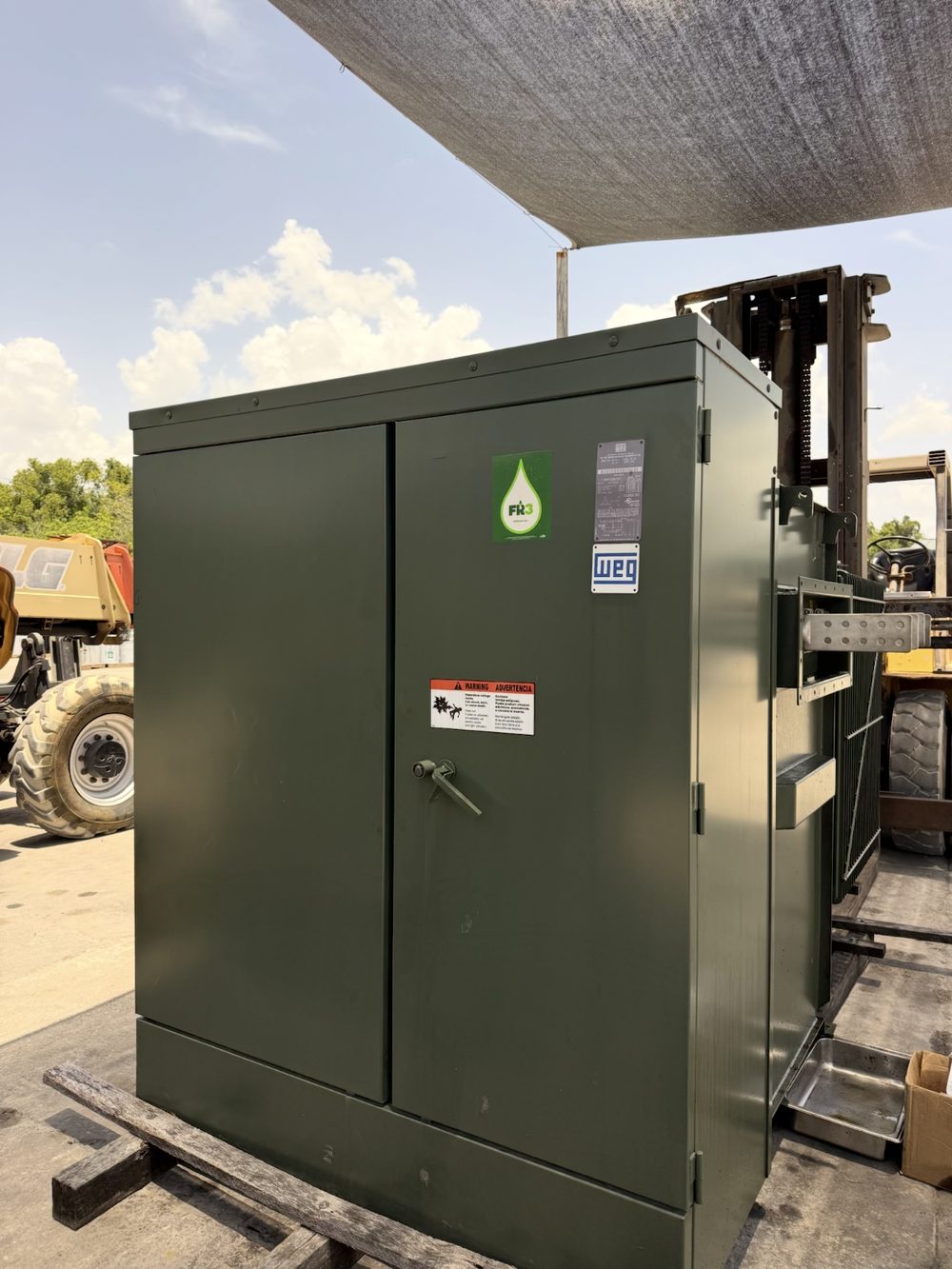
Resale demand for the exact rating and voltage pair
This dominates everything else. A used transformer is valuable primarily because a new one has a long lead time, so the question a buyer is really answering is: how quickly can I place this specific unit with somebody who needs it? A 1000 kVA 13.2kV to 480Y/277V pad-mount is close to a stocking item. The same 1000 kVA on an unusual primary with a non-standard secondary may sit for a year.
This is also why specialists pay more than generalists. A buyer who handles transformers every day knows which combinations move and can commit to a firm number immediately.
Copper versus aluminum windings
Copper-wound units are worth more, both for metal content and for resale desirability. The difference on a large unit can be substantial enough to change the entire economics of the sale. Some nameplates state the winding material; where they do not, an experienced buyer can often infer it from the era, manufacturer and weight.
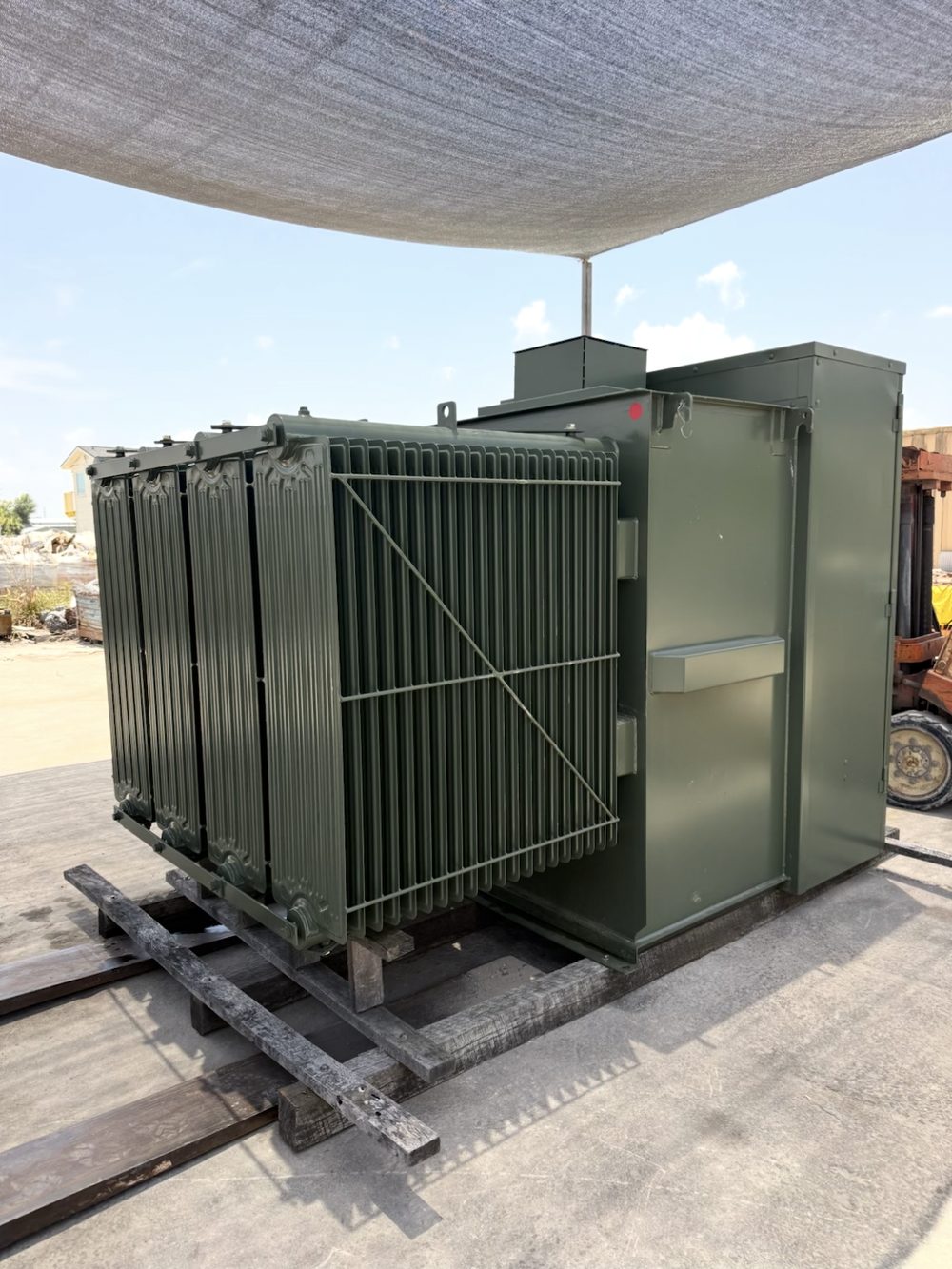
Fluid type
FR3 and Envirotemp natural ester fluids carry a premium over mineral oil, because they are less flammable and more acceptable in environmentally sensitive installations. Silicone sits in between. Dry-type units are priced on a different basis entirely, since there is no fluid to handle but also less metal per kVA.
PCB status
A clear non-PCB nameplate statement simplifies everything. A pre-1980 unit with no statement is handled as presumed-contaminated, which adds a documented disposal path and reduces what a buyer can pay. It does not make the unit unsellable, and it should not be a reason to leave it sitting in a yard indefinitely.
Completeness and condition
Radiators, bushings, elbows, tap changers, cooling fans and control cabinets all add value while attached and lose most of it once removed. Core and coil integrity is what separates resale-grade from scrap-grade; surface rust, dents and a battered enclosure matter far less than sellers expect.
Unused spares still in crates get the strongest offers of anything we see, because they are functionally new stock available without the lead time.
Logistics, which affects our margin rather than your number
Rigging difficulty and haul distance are real costs, but on our side of the transaction. A basement vault pull in a dense city costs us more than a yard pickup off a highway, and we absorb that. What it changes in practice is scheduling: units along lanes we already run get collected soonest.
Request a Quote
Send a nameplate photo for a same-day number.
More seller guides
Everything we know about selling transformers
Transformer classes we buy
Transformers only
Pad-Mount Transformers
Three-phase padmounts pulled off concrete pads at retail, industrial and campus sites.
Oil-Filled Transformers
Liquid-filled units including mineral oil, FR3 and silicone fluid, with or without radiators.
Dry-Type Transformers
Ventilated and sealed dry-type units from mechanical rooms, vaults and indoor substations.
Substation Transformers
Station-class units from plant substations, utility yards and industrial services.
Power Transformers
Large power transformers from utilities, generation sites and heavy industry.
Distribution Transformers
Pole-mount, pad-mount and single-phase distribution units, including bulk lots.
Unit Substation Transformers
Transformer sections of unit substations, close-coupled or separated.
Cast-Coil Transformers
Epoxy cast-resin units from harsh, humid and industrial environments.
Network Transformers
Submersible and vault-type network transformers from downtown grid systems.
Transformer Scrap
Burned, gutted, cored and unrepairable transformers bought for metal content.
Questions we get asked
Straight answers
Can you give me a price per pound?
For scrap-grade units, effectively yes. For resale-grade units a per-pound figure is the wrong frame, because the value comes from the unit being usable rather than from its metal.
Does a load tap changer add value?
Yes, meaningfully, on substation and power-class units, provided it is intact and the mechanism has not been cannibalised.
Is a leaking transformer worthless?
No. A weeping gasket or a slow leak is a repair, not a condemnation. We buy leaking units routinely.
Questions about your unit?
Call or text a nameplate photo. No obligation.
Request Your Quote
Nationwide, upfront payment, freight covered.