
Seller guide
Scrap Value vs Resale Value
This is the most expensive decision a transformer seller makes, and it is usually made with the least information.
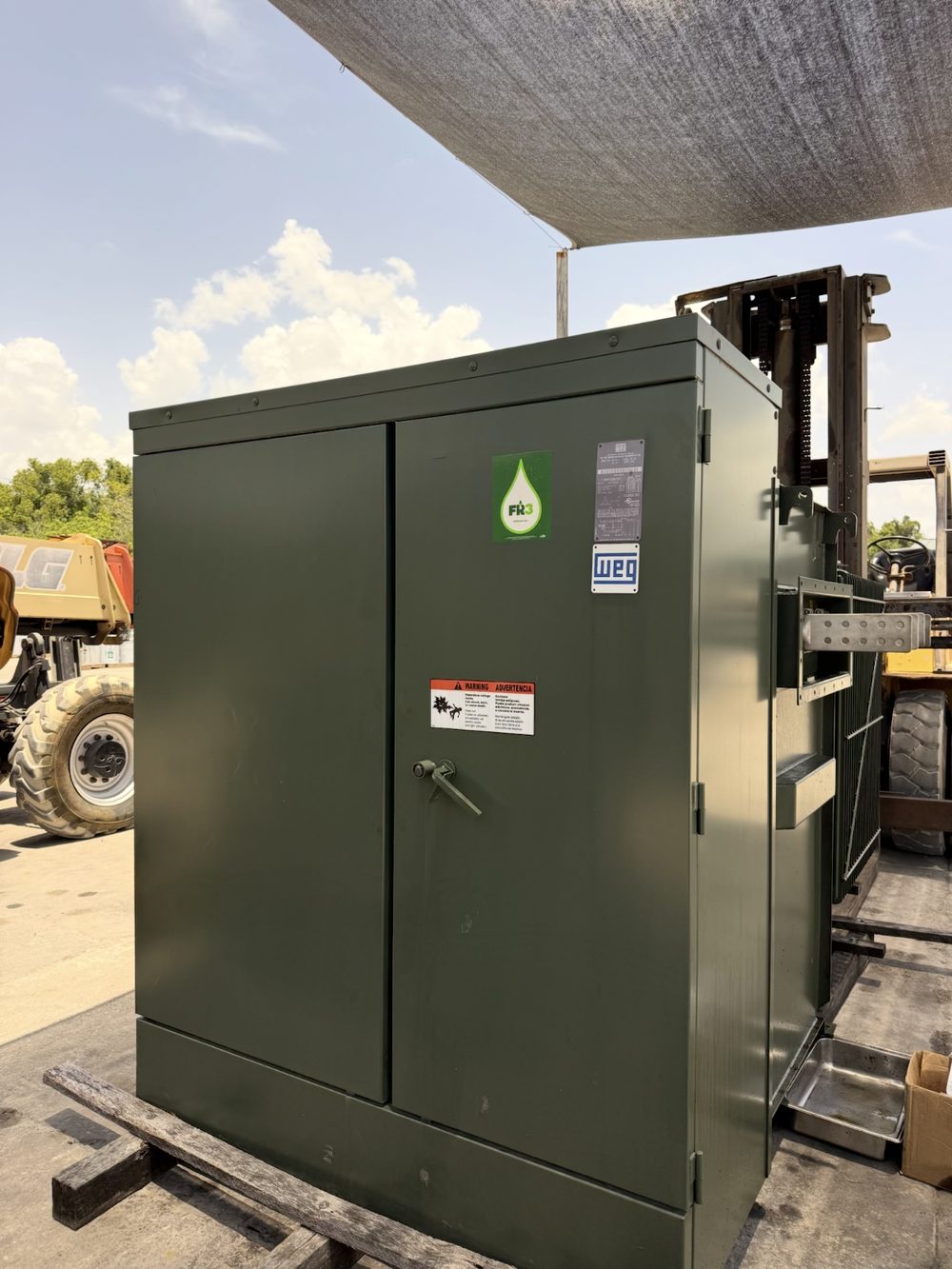
Two entirely different prices
Scrap value is metal content minus the yard's handling and hauling cost. It applies to any transformer, requires no assessment, and is the fastest way to convert a unit to cash. It is also, for a serviceable transformer, usually a fraction of what the unit is worth.
Resale value is what somebody will pay to install the transformer and use it. It exists because new units carry long lead times, so a facility that needs a specific rating and voltage combination now will pay well for a serviceable used one. That premium over metal is the money most sellers leave on the table.
Why you cannot tell by looking
Condition cues that look decisive are mostly irrelevant. Surface rust, a dented or pried-open cabinet, faded paint, a missing lock, weeds grown through the pad, ten years sitting outside — none of these say anything about whether the core and coil are intact.
Conversely, a unit that looks clean can have a failed winding. The determination comes from the nameplate data, the construction, and an experienced inspection. That is why the call is worth making before the scrap truck is booked.
What actually makes a unit scrap-grade
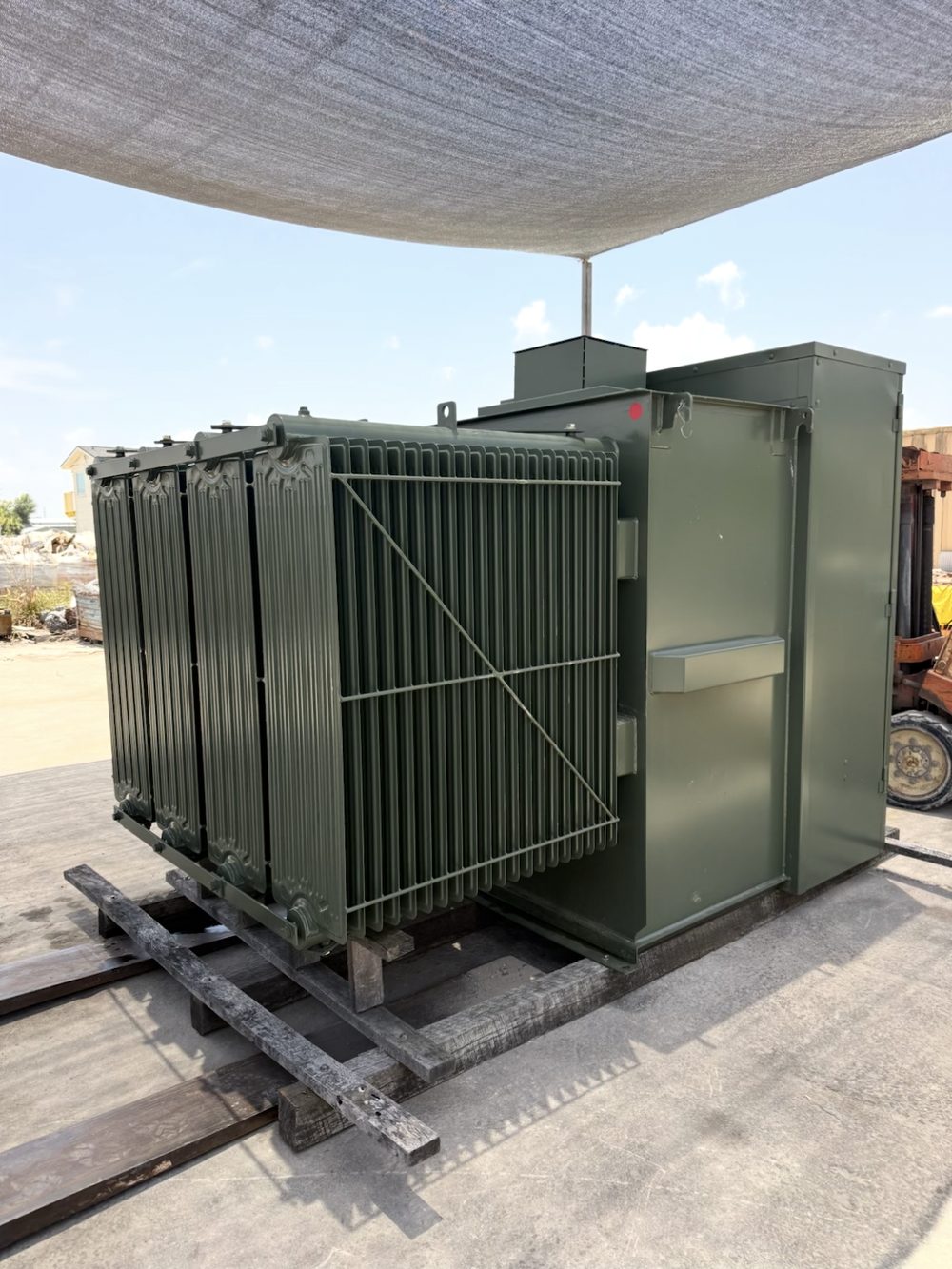
A failed or burned winding, a cracked or holed tank, fire damage, evidence of a violent internal fault, or a voltage combination with essentially no market. Severe internal corrosion and units that have been cannibalised for parts also fall here.
Note that a slow oil leak is not on that list. Neither is age. Neither is having sat idle for years. Those are all routine on units we buy at resale prices.
The asymmetry that should decide your behaviour
If you scrap a resale-grade transformer, that value is gone permanently and you will never know what you gave up. If you ask a specialist first and it genuinely is scrap, you have lost a day and we will buy it as scrap anyway.
The downside of asking is a day. The downside of not asking can be several times the money. That is the whole argument, and it is why we would rather look at a unit that turns out to be scrap than have a good one destroyed.
Request a Quote
Send a nameplate photo for a same-day number.
More seller guides
Everything we know about selling transformers
Transformer classes we buy
Transformers only
Pad-Mount Transformers
Three-phase padmounts pulled off concrete pads at retail, industrial and campus sites.
Oil-Filled Transformers
Liquid-filled units including mineral oil, FR3 and silicone fluid, with or without radiators.
Dry-Type Transformers
Ventilated and sealed dry-type units from mechanical rooms, vaults and indoor substations.
Substation Transformers
Station-class units from plant substations, utility yards and industrial services.
Power Transformers
Large power transformers from utilities, generation sites and heavy industry.
Distribution Transformers
Pole-mount, pad-mount and single-phase distribution units, including bulk lots.
Unit Substation Transformers
Transformer sections of unit substations, close-coupled or separated.
Cast-Coil Transformers
Epoxy cast-resin units from harsh, humid and industrial environments.
Network Transformers
Submersible and vault-type network transformers from downtown grid systems.
Transformer Scrap
Burned, gutted, cored and unrepairable transformers bought for metal content.
Questions we get asked
Straight answers
Do you buy scrap-grade transformers too?
Yes, priced on metal content. We will tell you plainly which category your unit falls into.
Is a burned-out transformer worth anything?
As scrap, yes. Do not assume that is what you have though; a unit that merely looks rough is frequently resale-grade.
How fast can you tell me which one I have?
Usually the same day, from a nameplate photo and a wide shot of the unit.
Questions about your unit?
Call or text a nameplate photo. No obligation.
Request Your Quote
Nationwide, upfront payment, freight covered.