
Seller guide
Decommissioning and Rigging a Transformer
The removal is usually the part sellers worry about most. Here is what actually happens, and what it costs you.
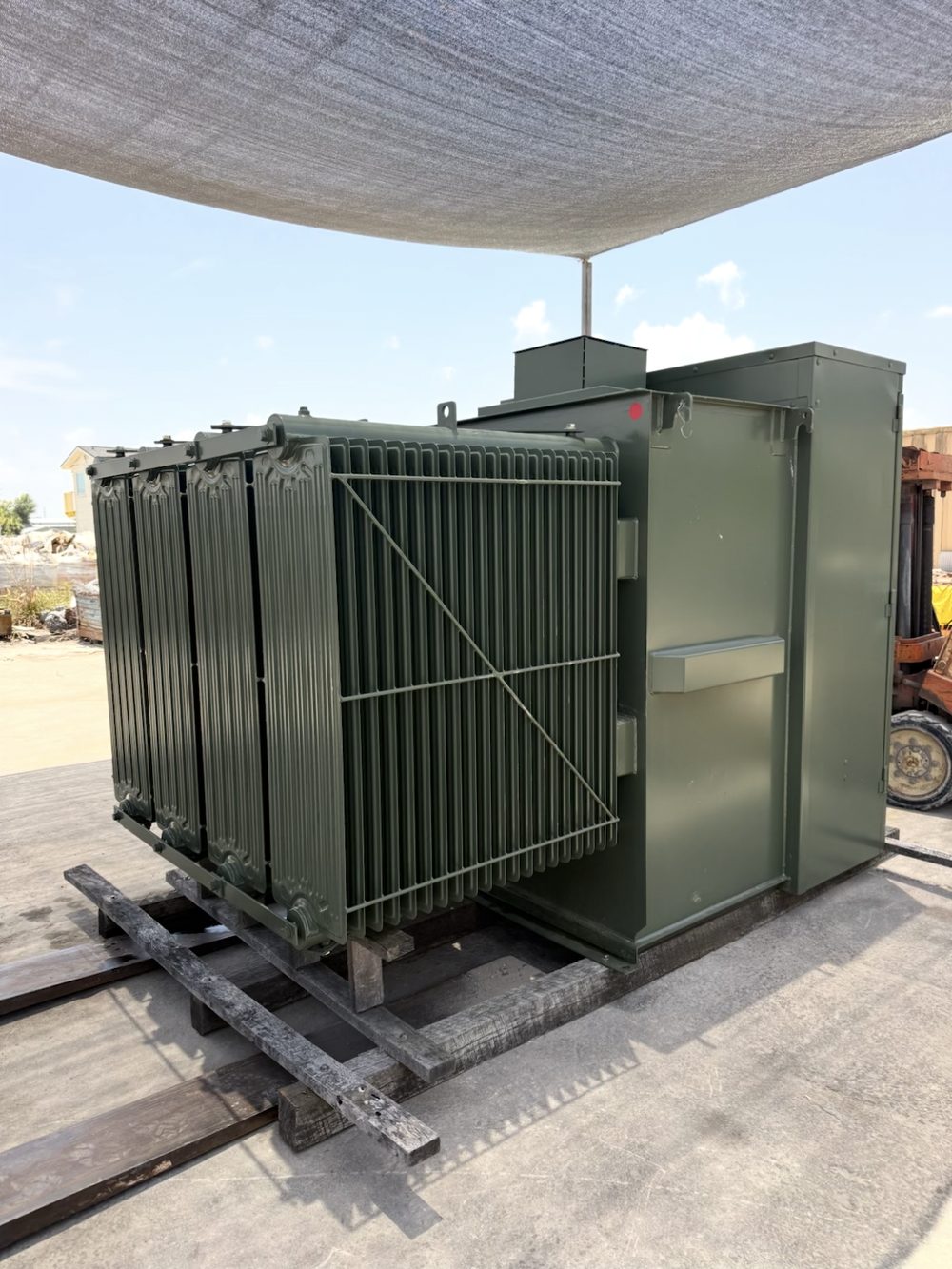
De-energising and disconnection comes first
Nothing moves until the transformer is safely de-energised, isolated and verified dead. If the unit is utility-fed, the utility or a licensed electrician performs the disconnect, and that scheduling is typically the longest lead item in the entire process. Starting it early is the single best thing a seller can do to speed things up.
We coordinate timing around your outage window, plant shutdown or landlord access hours. We do not need the unit already disconnected in order to quote it.
Assessing the pick before the truck is dispatched
A rigging plan depends on weight, access and headroom. A yard pickup off a paved lot needs a flatbed and a forklift or boom. A basement vault pull needs skates, rollers, cribbing and sometimes a temporary hoist. A rooftop or mezzanine unit needs a crane and a street permit.
This is why we ask for a wide photograph showing the surroundings, not just the unit. Tight yards, single dock doors, alley access and low clearances all change the plan, and we would rather plan for them than discover them.
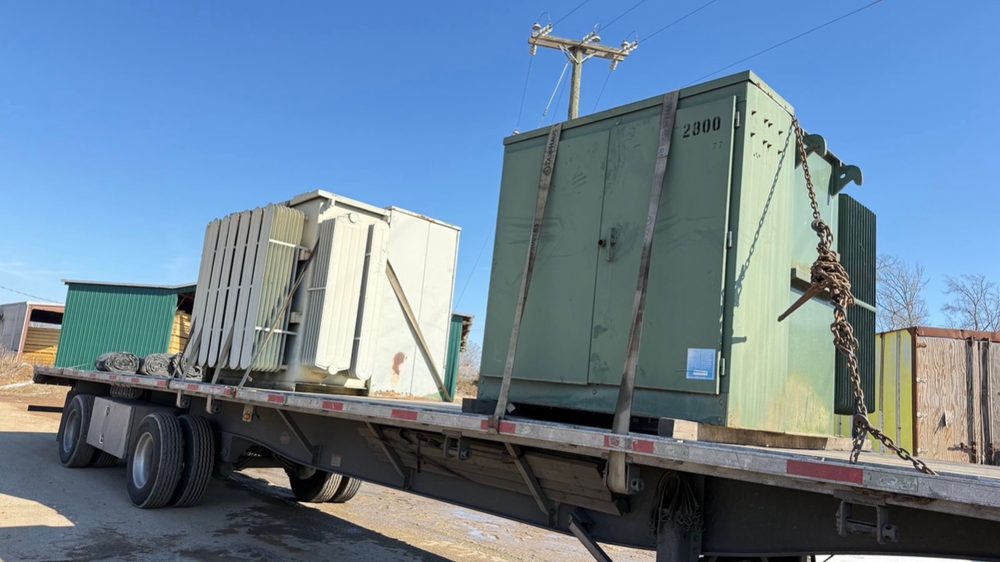
Fluid handling and containment
Oil-filled units are moved with the fluid in wherever possible, which is both safer and better for resale value. Where a unit must be drained for transport, that is done under controlled conditions with proper containment and documentation appropriate to its PCB status.
If a unit has been leaking onto soil or a pad, flag it at quoting time so our crew arrives with absorbents and containment rather than improvising on site.
Cutting the unit loose without wrecking the site
Pad-mounts are typically anchored to the concrete. Where the pad has to survive, we cut the anchors and lift rather than breaking the pad up. Conduits are cut and capped. Grounding conductors are disconnected properly rather than pulled.
Inside an operating facility, work is sequenced so your operation keeps running. We have done plenty of pulls in live plants, hospitals and occupied buildings.
Who pays for all of it
We do. Rigging, cribbing, crane time where needed, permits, escorts, fluid handling and freight are our cost and are already reflected in the offer you accepted. You do not front any of it and you are not invoiced afterwards.
Payment reaches you before the transformer leaves your property, so you are never in the position of having released the asset and waiting on funds.
Request a Quote
Send a nameplate photo for a same-day number.
More seller guides
Everything we know about selling transformers
Transformer classes we buy
Transformers only
Pad-Mount Transformers
Three-phase padmounts pulled off concrete pads at retail, industrial and campus sites.
Oil-Filled Transformers
Liquid-filled units including mineral oil, FR3 and silicone fluid, with or without radiators.
Dry-Type Transformers
Ventilated and sealed dry-type units from mechanical rooms, vaults and indoor substations.
Substation Transformers
Station-class units from plant substations, utility yards and industrial services.
Power Transformers
Large power transformers from utilities, generation sites and heavy industry.
Distribution Transformers
Pole-mount, pad-mount and single-phase distribution units, including bulk lots.
Unit Substation Transformers
Transformer sections of unit substations, close-coupled or separated.
Cast-Coil Transformers
Epoxy cast-resin units from harsh, humid and industrial environments.
Network Transformers
Submersible and vault-type network transformers from downtown grid systems.
Transformer Scrap
Burned, gutted, cored and unrepairable transformers bought for metal content.
Questions we get asked
Straight answers
Do I need to hire a rigger before you arrive?
No. Rigging is ours to arrange and ours to pay for.
Can you remove a transformer from a basement vault?
Yes. Vault pulls are routine; tell us about access, headroom and the route out so we bring the right equipment.
Will the concrete pad be damaged?
Not if it needs to stay. We cut the anchors and lift rather than breaking the pad.
Questions about your unit?
Call or text a nameplate photo. No obligation.
Request Your Quote
Nationwide, upfront payment, freight covered.