
Seller guide
PCBs, Oil and What It Means for Selling
PCB status is the question that keeps most old oil-filled units sitting in yards. It is more manageable than it looks.
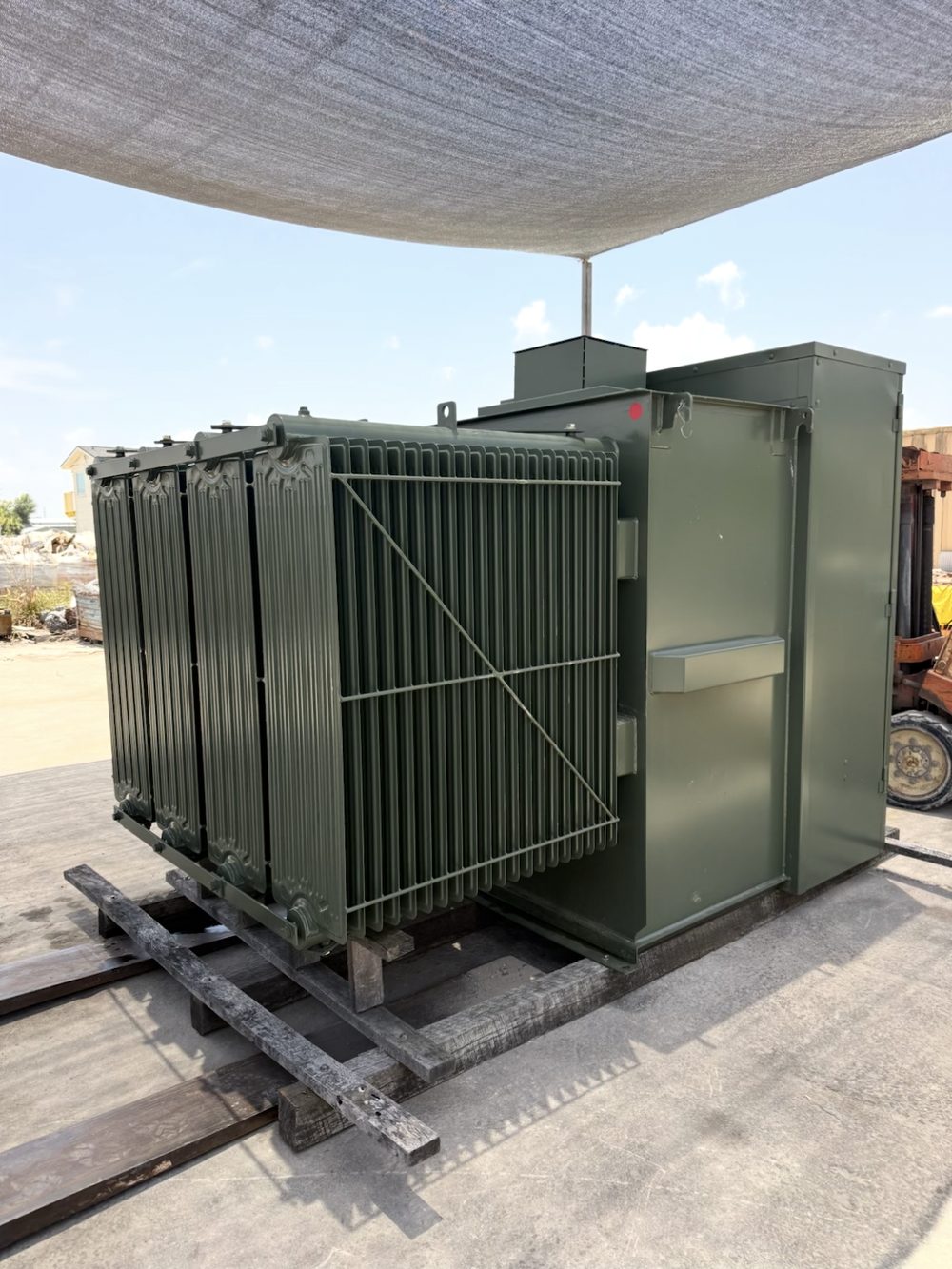
What the categories actually are
United States regulation sorts oil-filled transformers into broad bands by PCB concentration: non-PCB below 50 parts per million, PCB-contaminated from 50 to 499 ppm, and PCB units at 500 ppm and above. Each band carries different handling, labelling, storage and disposal requirements.
A transformer with no test data and no nameplate statement is treated as presumed-contaminated. That is a default assumption rather than a finding, and it is why a nameplate marking is worth so much: it can move a unit out of the presumed category on paper alone.
How status gets established
Three ways, in order of cost. First, the nameplate: many post-1979 units carry an explicit non-PCB statement. Second, existing records: some facilities have oil analysis on file from a maintenance programme. Third, a laboratory oil sample, which is inexpensive relative to the equipment but takes time and requires safe access to a sampling valve.
You do not need to arrange testing in order to sell to us. If status is unknown we price the presumed-contaminated path in and tell you plainly which category we are treating the unit as.
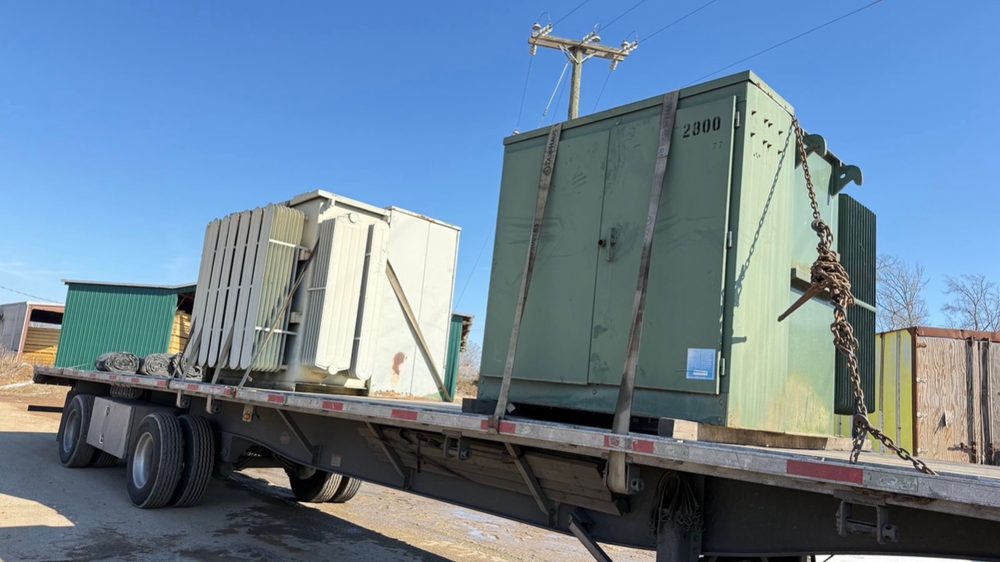
What it does to the price
A documented non-PCB unit is worth more because it can be resold and transported with ordinary handling. A presumed-contaminated or confirmed PCB unit carries a documented disposal route with real cost attached, and that cost comes out of the offer.
The practical implication is that if you happen to have oil analysis records in a maintenance file, digging them out can raise your number for the price of a filing-cabinet search.
What not to do with the oil
Do not drain it, do not top it off with unknown fluid, and do not mix oils between units. Draining can create a waste-generation obligation in your name, mixing can convert a clean unit into a contaminated one, and both make the transformer harder to resell.
If the unit is actively leaking onto soil, that is worth flagging to us at quoting time so we bring containment. It does not stop us buying the unit.
Storage and liability while it sits
An idle oil-filled transformer in a yard is a standing liability: it is a spill risk, it may be subject to storage rules depending on status, and in the meantime it occupies space. Selling it transfers both the asset and the handling obligation to a buyer who does this routinely, with paperwork documenting the transfer.
Request a Quote
Send a nameplate photo for a same-day number.
More seller guides
Everything we know about selling transformers
Transformer classes we buy
Transformers only
Pad-Mount Transformers
Three-phase padmounts pulled off concrete pads at retail, industrial and campus sites.
Oil-Filled Transformers
Liquid-filled units including mineral oil, FR3 and silicone fluid, with or without radiators.
Dry-Type Transformers
Ventilated and sealed dry-type units from mechanical rooms, vaults and indoor substations.
Substation Transformers
Station-class units from plant substations, utility yards and industrial services.
Power Transformers
Large power transformers from utilities, generation sites and heavy industry.
Distribution Transformers
Pole-mount, pad-mount and single-phase distribution units, including bulk lots.
Unit Substation Transformers
Transformer sections of unit substations, close-coupled or separated.
Cast-Coil Transformers
Epoxy cast-resin units from harsh, humid and industrial environments.
Network Transformers
Submersible and vault-type network transformers from downtown grid systems.
Transformer Scrap
Burned, gutted, cored and unrepairable transformers bought for metal content.
Questions we get asked
Straight answers
Will you buy a transformer with unknown PCB status?
Yes. We treat it as presumed-contaminated, price the correct disposal path in, and tell you which category we are assuming.
Do I have to pay for an oil test before selling?
No. If you already have analysis on file it can raise your price, but arranging new testing is not required.
Can you buy a unit that has leaked onto the ground?
Yes. Tell us at quoting time so we arrive with containment and the right absorbents.
Questions about your unit?
Call or text a nameplate photo. No obligation.
Request Your Quote
Nationwide, upfront payment, freight covered.