
Seller guide
How to Read a Transformer Nameplate
The plate on the side of your transformer tells a buyer almost everything. Here is how to read it.
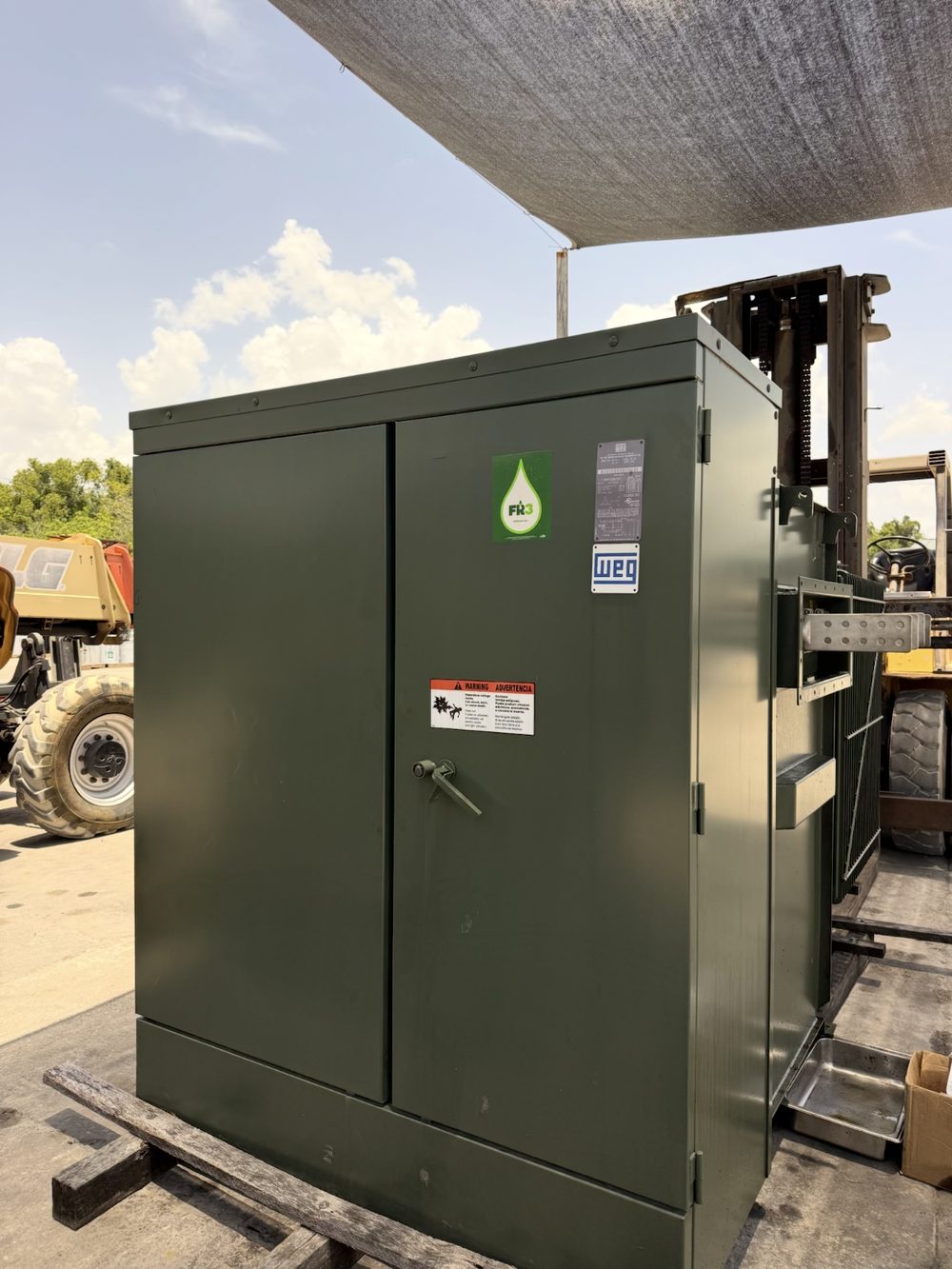
kVA rating
The kVA figure is the continuous load the transformer is designed to carry, and it is the first thing any buyer looks for. Standard steps such as 75, 150, 300, 500, 1000, 1500 and 2500 kVA resell fastest because they match what facilities actually specify. An odd rating is not a problem, but it narrows the resale pool.
Larger units may show two or three ratings separated by slashes, for example 2000/2667/3333 kVA. Those are the self-cooled and forced-cooled ratings; the fans or pumps that achieve the higher figures are part of the unit's value, so note whether they are still fitted.
Primary and secondary voltage
These two numbers together determine how large the resale market for your unit is. Common distribution primaries are 4.16kV, 12.47kV, 13.2kV, 13.8kV, 24.9kV and 34.5kV; common secondaries are 208Y/120V, 480Y/277V and 480V delta. A unit matching a common pair is close to a stocking item.
The Y or delta notation matters as much as the number itself, and a delta-wye unit is not interchangeable with a wye-wye one. Photograph the connection diagram on the plate if there is one.
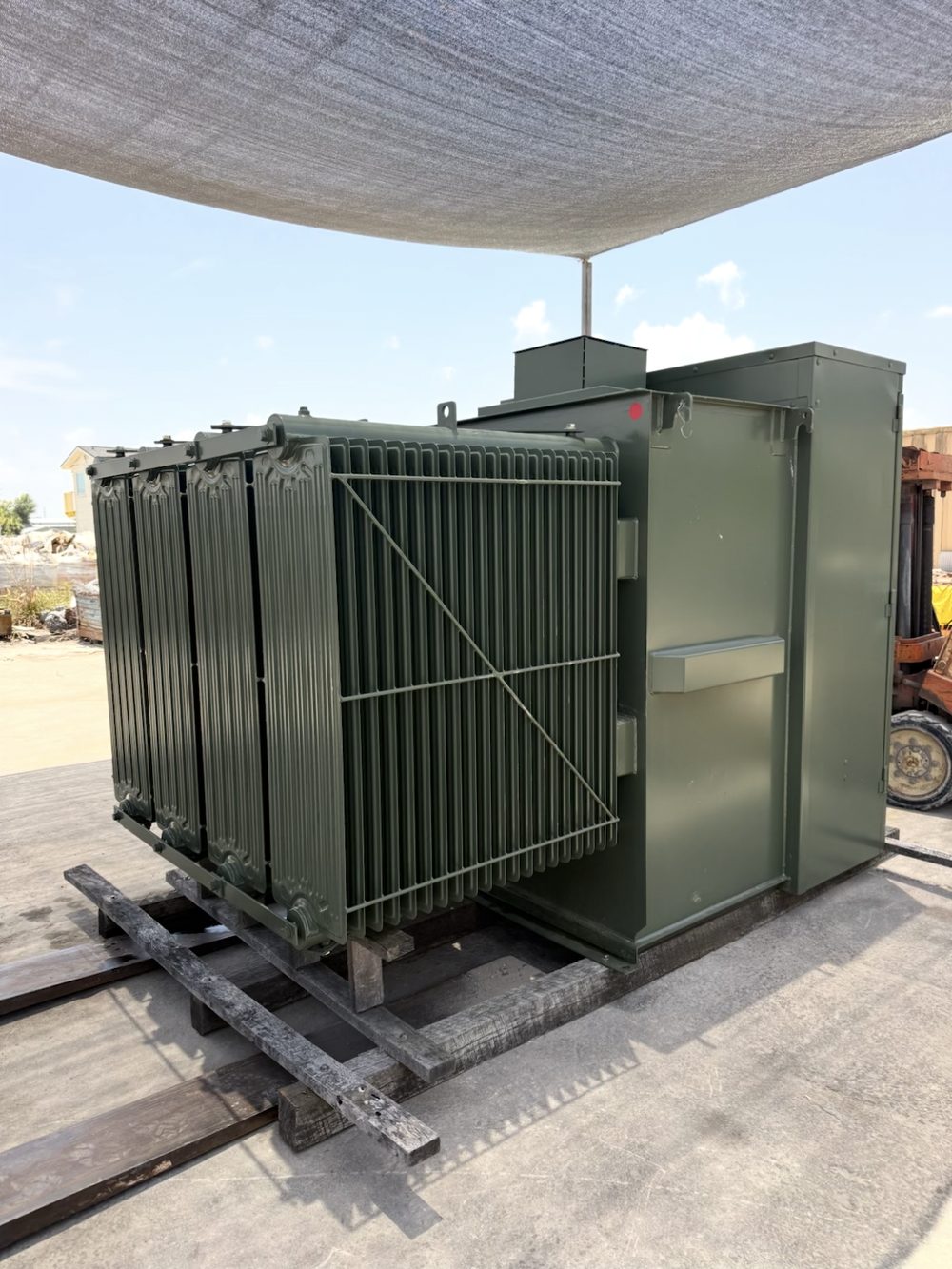
Fluid type and gallons
Mineral oil is the default. FR3 and Envirotemp are natural ester fluids that are less flammable and more environmentally forgiving, and they carry a real premium in the resale market. Silicone fluid appears in some indoor units. Dry-type units will say so and have no fluid line at all.
The gallon figure matters for logistics and for spill planning. It also tells the buyer roughly how much fluid handling the removal involves.
PCB statement
Units built after roughly 1979 in the United States commonly carry a plate marking such as 'Non-PCB' or 'PCB Contains Less Than 50 ppm'. That statement materially simplifies handling and increases what a buyer can pay.
If there is no statement and the unit predates 1980, it is treated as presumed-contaminated until tested. That does not make it unsellable; it changes the disposal path and therefore the price. We buy units in either category.
Winding material, impedance, temperature rise and taps
Some plates state copper or aluminum windings directly, which is worth finding because copper commands a meaningful premium. Impedance percentage, temperature rise in degrees C, BIL rating and the tap arrangement all affect suitability for a given application, and therefore how quickly the unit resells.
Serial number and year of manufacture round out the plate. Age matters far less than sellers assume; heavy units from the 1960s and 1970s remain in service across the country.
Request a Quote
Send a nameplate photo for a same-day number.
More seller guides
Everything we know about selling transformers
Transformer classes we buy
Transformers only
Pad-Mount Transformers
Three-phase padmounts pulled off concrete pads at retail, industrial and campus sites.
Oil-Filled Transformers
Liquid-filled units including mineral oil, FR3 and silicone fluid, with or without radiators.
Dry-Type Transformers
Ventilated and sealed dry-type units from mechanical rooms, vaults and indoor substations.
Substation Transformers
Station-class units from plant substations, utility yards and industrial services.
Power Transformers
Large power transformers from utilities, generation sites and heavy industry.
Distribution Transformers
Pole-mount, pad-mount and single-phase distribution units, including bulk lots.
Unit Substation Transformers
Transformer sections of unit substations, close-coupled or separated.
Cast-Coil Transformers
Epoxy cast-resin units from harsh, humid and industrial environments.
Network Transformers
Submersible and vault-type network transformers from downtown grid systems.
Transformer Scrap
Burned, gutted, cored and unrepairable transformers bought for metal content.
Questions we get asked
Straight answers
My nameplate is unreadable. Can you still make an offer?
Usually yes. Tank construction, bushing arrangement, radiator style and physical dimensions let us narrow the rating, and we confirm at inspection.
Which nameplate field affects price the most?
The kVA rating and the voltage pair together, because they determine how many buyers exist for the unit. Winding material and fluid type come next.
Does the year of manufacture hurt the value?
Far less than most people expect, except that pre-1980 units without a PCB statement require presumed-contaminated handling.
Questions about your unit?
Call or text a nameplate photo. No obligation.
Request Your Quote
Nationwide, upfront payment, freight covered.