
Seller guide
How to Sell a Used Transformer
Six steps, in order, with the mistakes that cost sellers money at each one.
Step 1: photograph the nameplate before anything else
The nameplate is the single most valuable piece of information about your transformer. It carries the kVA rating, the primary and secondary voltages, the manufacturer, the serial number, the year, the fluid type and often a PCB statement. A buyer who can read your nameplate can price the unit in minutes; one who cannot has to guess conservatively.
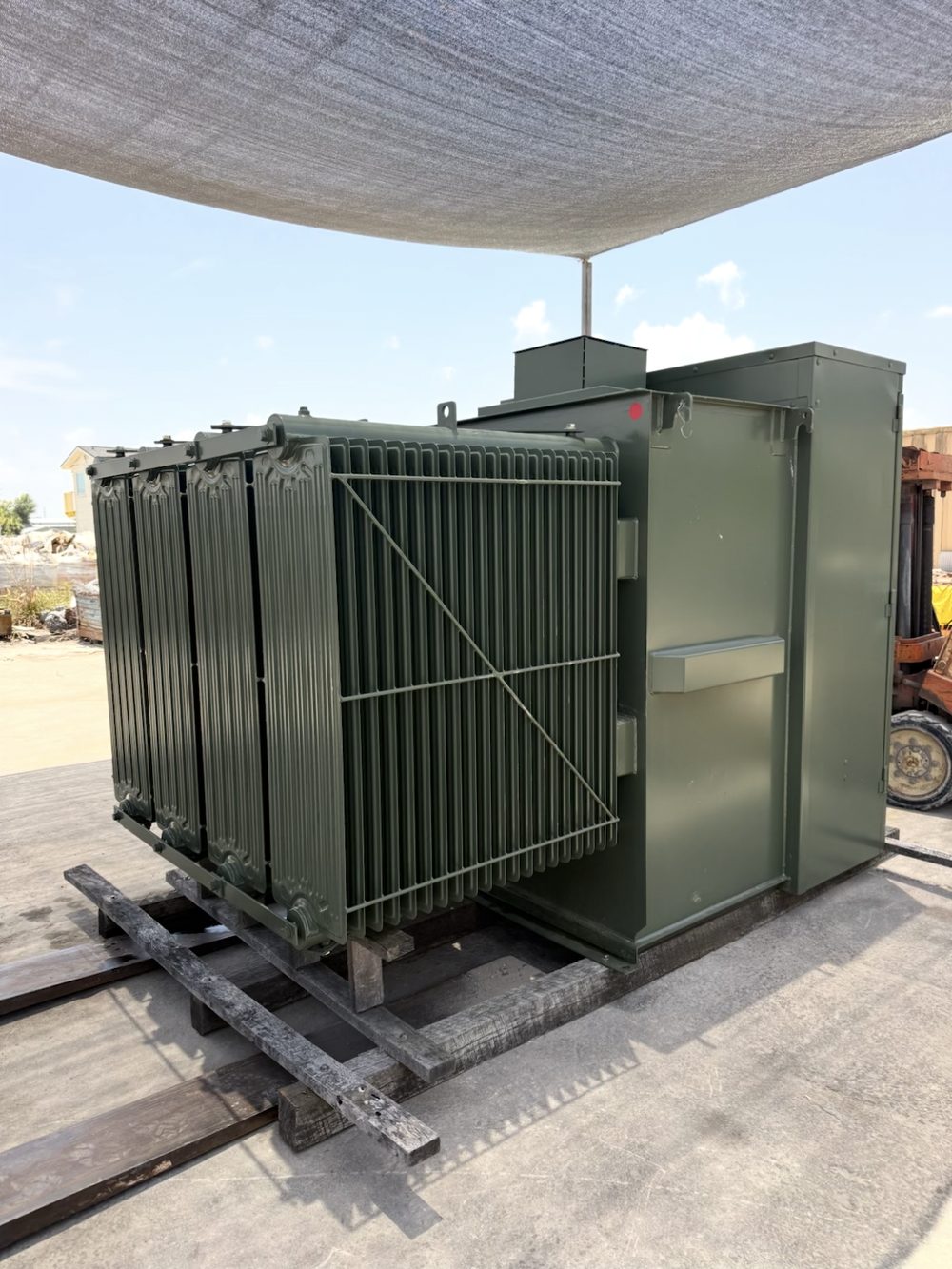
Photograph it straight on, close enough to read, with the flash on if the plate is in shadow. If the plate is corroded, painted over or missing entirely, photograph where it should be and then photograph the whole unit from two angles. Tank shape, bushing count and arrangement, radiator style and overall dimensions let an experienced buyer narrow the rating considerably.
Step 2: do not drain the oil or cut anything off
This is where sellers most often destroy value. Draining the oil to make the unit lighter can create a waste-handling obligation in your name and it makes the transformer harder to resell, because a buyer now has to refill and re-test it. Leave the oil in.
The same applies to bushings, radiators, elbows, tap changers and cooling fans. Every one of those is worth more attached to the unit than sold separately as metal, and a complete unit reaches a far larger resale market than a stripped one.
Step 3: find out whether it is resale-grade or scrap-grade
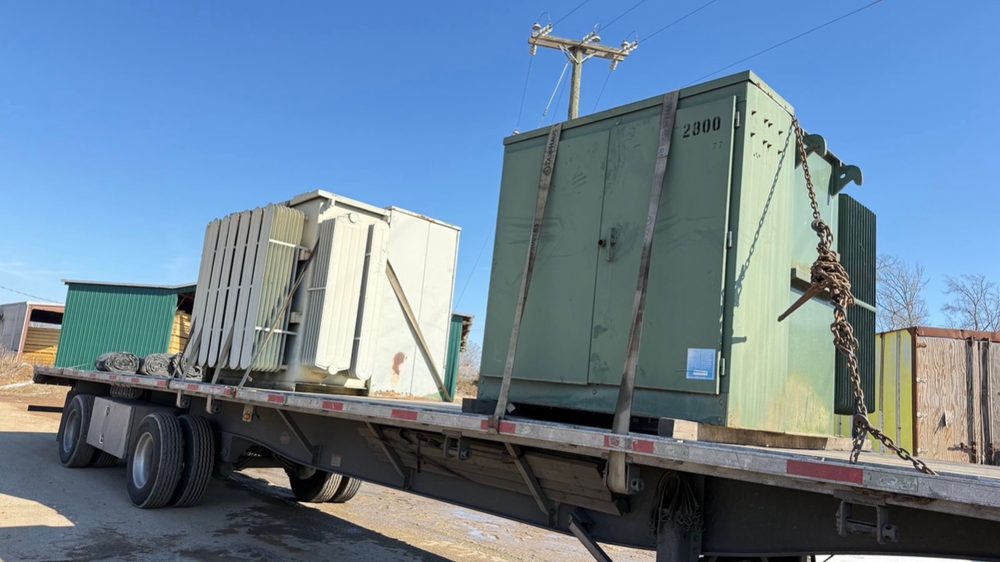
These are two entirely different prices. A resale-grade transformer is one where the core and coil are intact and the rating and voltages match something the market wants; it can be worth several times its metal value. A scrap-grade unit has a failed winding, a cracked tank, fire damage or an unusable voltage combination, and it is worth metal content.
You generally cannot tell by looking. Surface rust and a battered cabinet say nothing about the windings. This is the single best reason to get a specialist opinion before calling a scrap yard: the scrap decision is irreversible.
Step 4: get a firm price with the freight terms stated
A price is only meaningful alongside who pays to move the unit. Rigging a pad-mount out of a tight yard and hauling it several hundred miles is a real expense, and if it lands on you it can consume most of what you were paid.
Ask directly: is the number firm, does it include rigging and freight, and is payment before or after resale. Our answer is firm, included, and before — but the point is to ask whoever you are dealing with.
Step 5: plan access before the truck is dispatched
Most delays are access problems, not price problems. A unit in a basement vault, up a ramp, behind a locked gate or inside an operating facility needs the right equipment and sometimes a permit. Tell the buyer what the site looks like at quoting time so the rigging plan matches reality.
If the transformer is still connected, a utility or licensed electrician disconnect has to come first. That is usually the longest lead item in the whole process, so start it early.
Step 6: keep the paperwork
Hold on to the nameplate photo, any test report or oil analysis, and the bill of sale. For oil-filled units the PCB status documentation matters, because it establishes what was transferred and to whom. A buyer who cannot produce clean paperwork is a risk to you rather than a convenience.
Request a Quote
Send a nameplate photo for a same-day number.
More seller guides
Everything we know about selling transformers
Transformer classes we buy
Transformers only
Pad-Mount Transformers
Three-phase padmounts pulled off concrete pads at retail, industrial and campus sites.
Oil-Filled Transformers
Liquid-filled units including mineral oil, FR3 and silicone fluid, with or without radiators.
Dry-Type Transformers
Ventilated and sealed dry-type units from mechanical rooms, vaults and indoor substations.
Substation Transformers
Station-class units from plant substations, utility yards and industrial services.
Power Transformers
Large power transformers from utilities, generation sites and heavy industry.
Distribution Transformers
Pole-mount, pad-mount and single-phase distribution units, including bulk lots.
Unit Substation Transformers
Transformer sections of unit substations, close-coupled or separated.
Cast-Coil Transformers
Epoxy cast-resin units from harsh, humid and industrial environments.
Network Transformers
Submersible and vault-type network transformers from downtown grid systems.
Transformer Scrap
Burned, gutted, cored and unrepairable transformers bought for metal content.
Questions we get asked
Straight answers
How long does selling a transformer take?
Quoting is same-day from photos. Pickup is typically one to two weeks after agreement, with the utility disconnect usually being the longest lead item if the unit is still connected.
Do I need an oil sample or a PCB test before selling?
Not to sell to us. If the nameplate does not establish non-PCB status we treat the unit as presumed-contaminated and price the correct disposal path into the offer.
Is it worth selling a single small transformer?
Yes, though small dry-types usually make the most sense combined into a lot. Call either way; we buy singles routinely.
Questions about your unit?
Call or text a nameplate photo. No obligation.
Request Your Quote
Nationwide, upfront payment, freight covered.